9/28/2026, 5:29:11 PM
Your Own Store App or a Multi-Vendor Marketplace? A Guide for Syrian Merchants
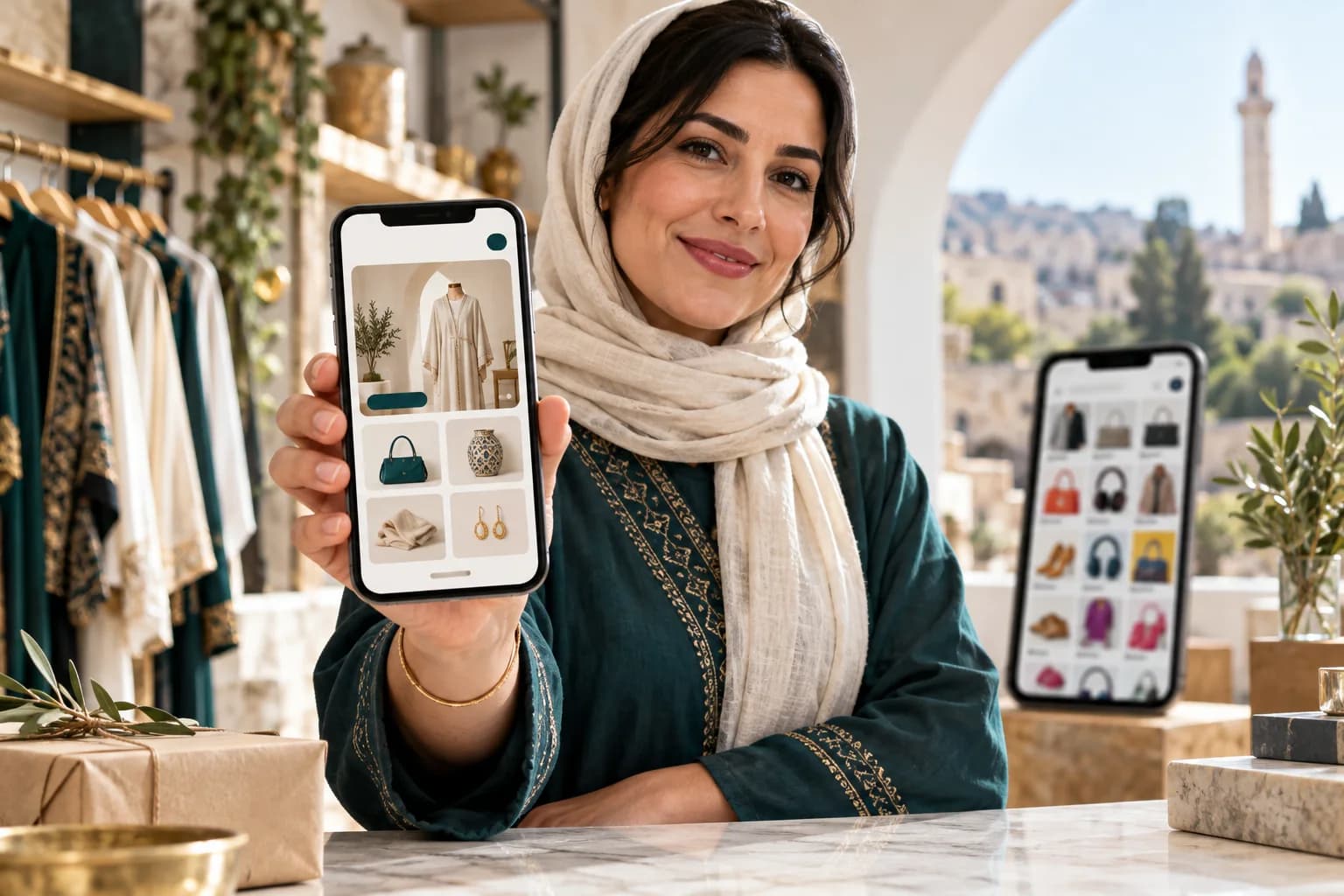
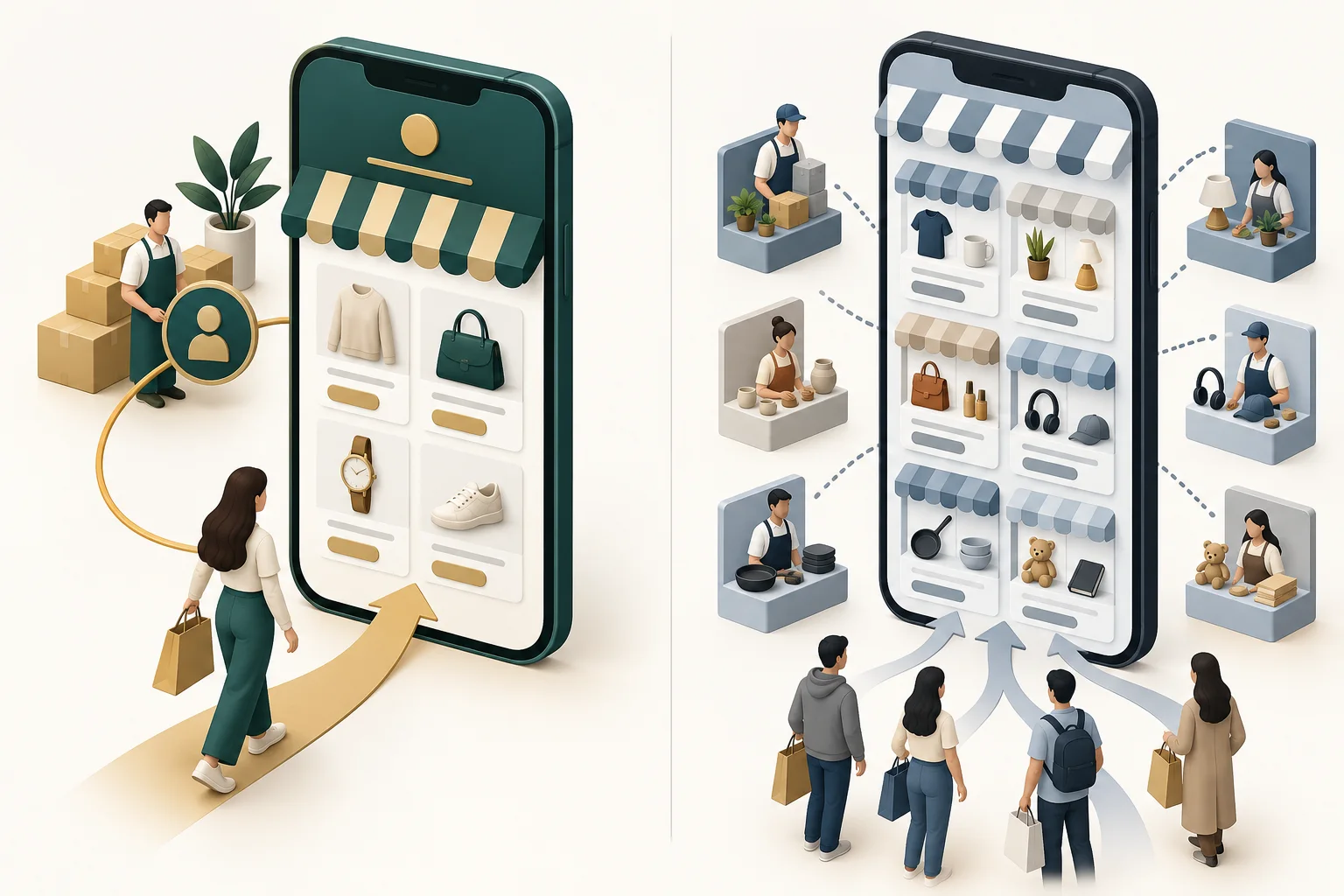
Understand the difference between an app dedicated to your store and a marketplace app containing many sellers.
When a merchant considers a mobile shopping app, every app displaying products can look similar. There is an important difference, however, between an app carrying your store’s name and products and a multi-vendor marketplace bringing many sellers together. The choice affects brand identity, customer relationships, marketing and management.
What is an app dedicated to your store?
It is a customer-facing app carrying your store’s name and visual identity and displaying only your products and categories. Customers use an experience connected to your brand, while product and order management remain part of the store’s operating system.
What is a multi-vendor marketplace?
It is a digital market containing different stores and sellers inside one app. Customers compare offers across sellers, and the marketplace brand frames the overall experience. It may help merchants reach the marketplace audience, but it does not give one store the same space as a dedicated app.
The difference in customer relationships
In a dedicated app, customers open a destination carrying your store’s name and interact directly with your catalogue. In a marketplace, they can quickly move between competing sellers and offers. A dedicated app is therefore closer to an owned customer channel, while a marketplace is a shared sales channel.
The difference in product presentation
A dedicated app can organise categories, offers and content around one business within the available features, without mixing them with other stores. The app alone does not guarantee sales; results still depend on products, pricing, marketing, service and fulfilment.
When is a dedicated app appropriate?
- When you want customers to remember your store rather than an intermediary marketplace.
- When you have clear products, categories and a store experience worth returning to.
- When mobile is central to your customers’ shopping journey.
- When you want the store and app to use a connected management experience.
When might a website come first?
If you are still testing products or organising orders and stock for the first time, start with a mobile-friendly online store. Add an app after the catalogue, content and daily workflow become stable. An app does not replace an organised store; it adds another customer channel.
Questions to ask before choosing
- Do you want an independent destination for your brand or a presence inside a shared market?
- Can your team maintain organised product content?
- Who will manage orders, stock and support after launch?
- Does the plan include the app, and what are the preparation, publishing and support requirements?
How Tajerly provides this option
Eligible Tajerly plans can include Android and iOS apps carrying the store’s name and identity and showing only that store’s products—not a multi-vendor marketplace. Review the dedicated store-app page, then compare the current plans or request advice for your requirements.
For help deciding when to add an app alongside the store, read website vs store app for Syrian merchants.